Jerusalem - At the beginning of March, the Old Cities Revitalization Program at Taawon (Welfare Association) is preparing to launch the second phase of the Al-Jabsha project, following the signing of the funding agreement and scope of works, paving the way for the tendering process and the start of implementation. This development comes as a continuation of the first phase, which is still underway, within a comprehensive vision aimed at protecting the historic urban fabric and strengthening its resilience.
In the same context, restoration works at the Palestine Red Crescent clinic in the Old City are ongoing, with the aim of improving the clinic’s infrastructure and enhancing its capacity to provide essential healthcare services to local residents, despite the complex field challenges accompanying the works.
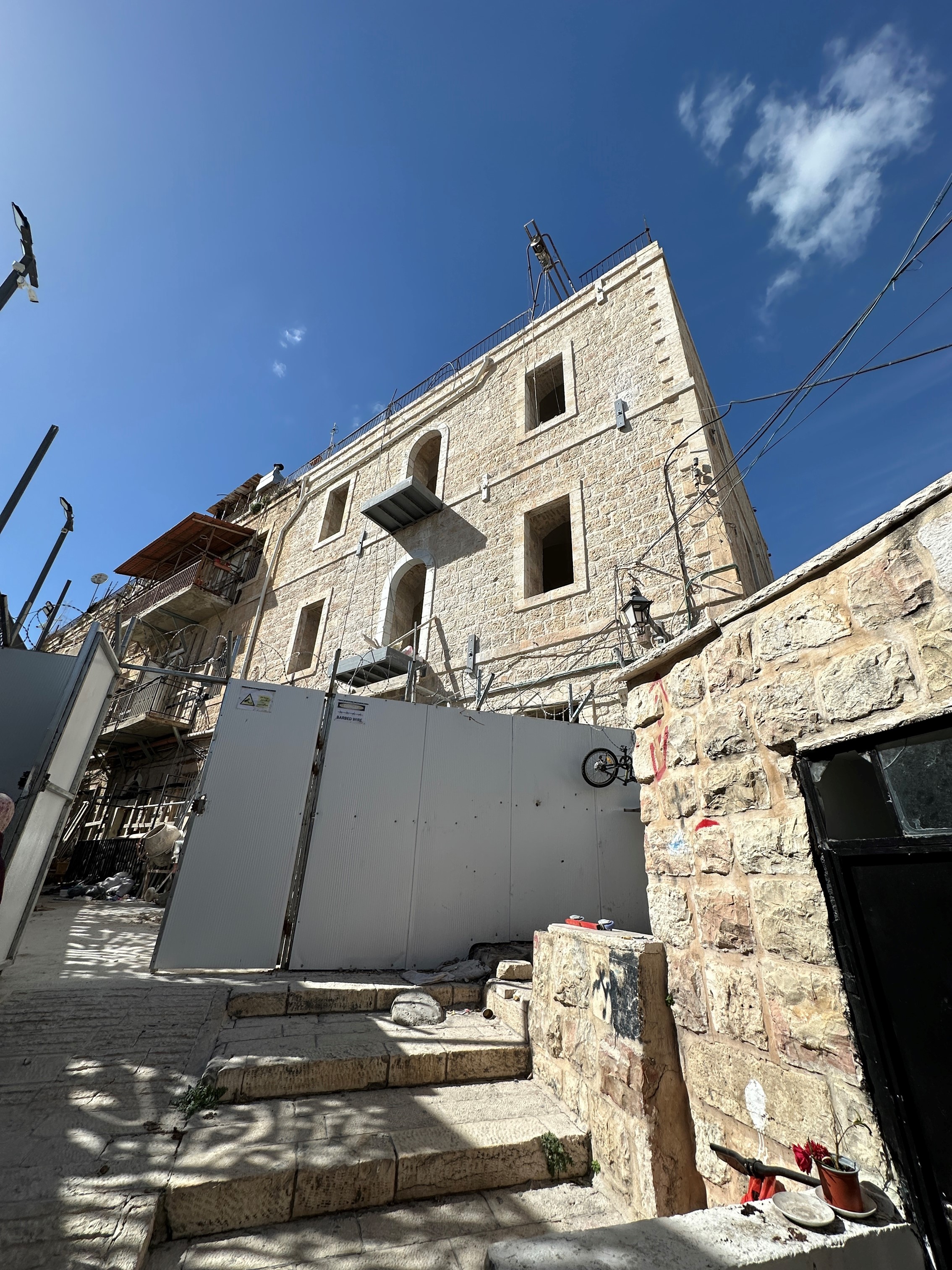
Meanwhile, restoration works have also begun on the waqf property affiliated with the Khalidi Library, with partial support from the Arab Fund for Economic and Social Development. The project is located in a sensitive area of the Old City along Bab Al-Silsila Street, adjacent to the Western Wall, and is considered a property of significant historical and endowment value. The intervention aims to safeguard the building and preserve its cultural significance, complementing the ongoing efforts of the waqf’s custodians to maintain the property over the past years.
During February, the program also completed several key interventions, reflecting its continued commitment to the Old City and its residents, despite ongoing closures and restrictions affecting the entry of workers from surrounding areas in the West Bank.
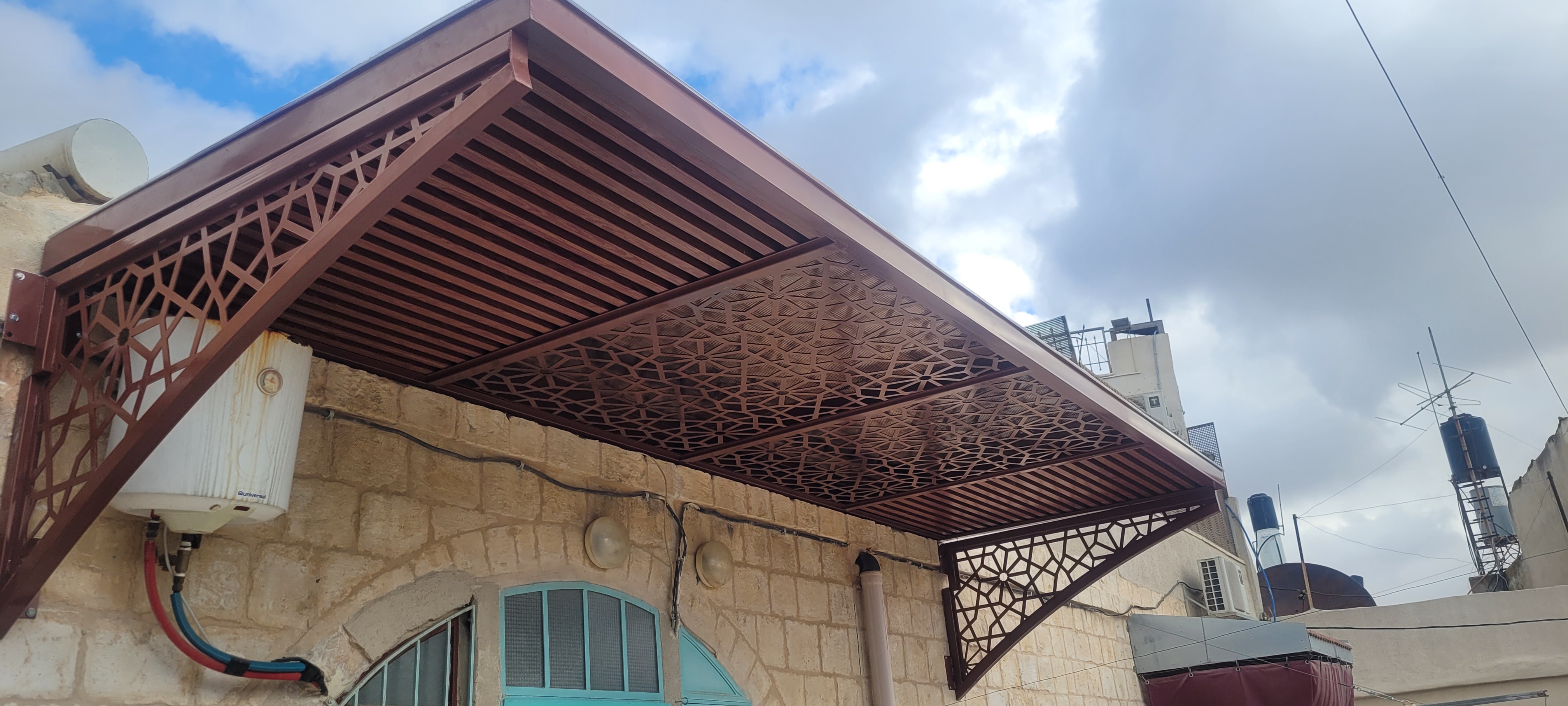
Among the completed works were the restoration of canopies and maintenance works at Khan Al-Sultan (the Wikala), benefiting more than seven families. This intervention builds upon earlier restoration phases that included two stages of work on the building and several residential units, aiming to improve living conditions and ensure the safe and sustainable use of the courtyard, while preserving the site’s architectural and historical value.
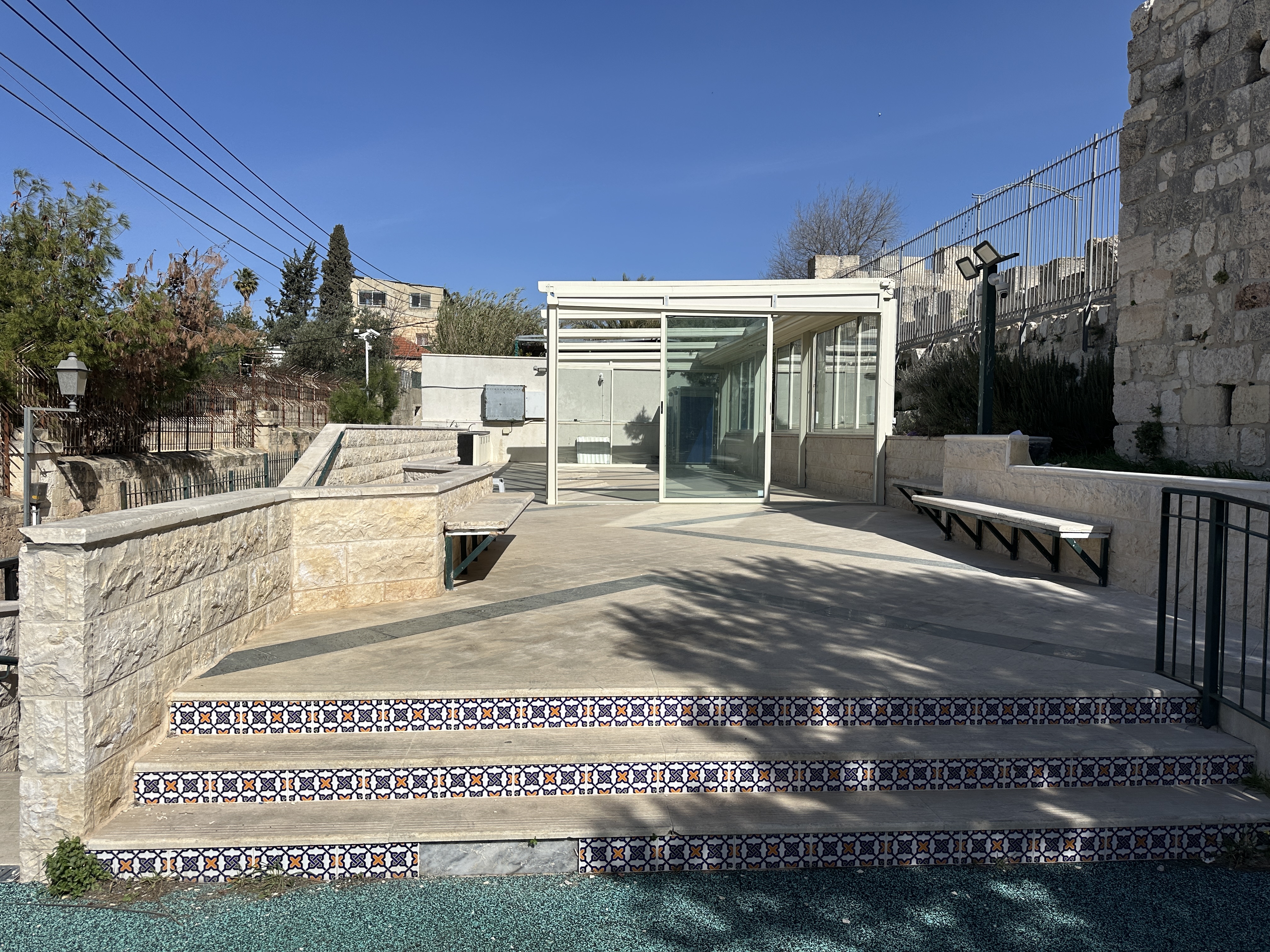
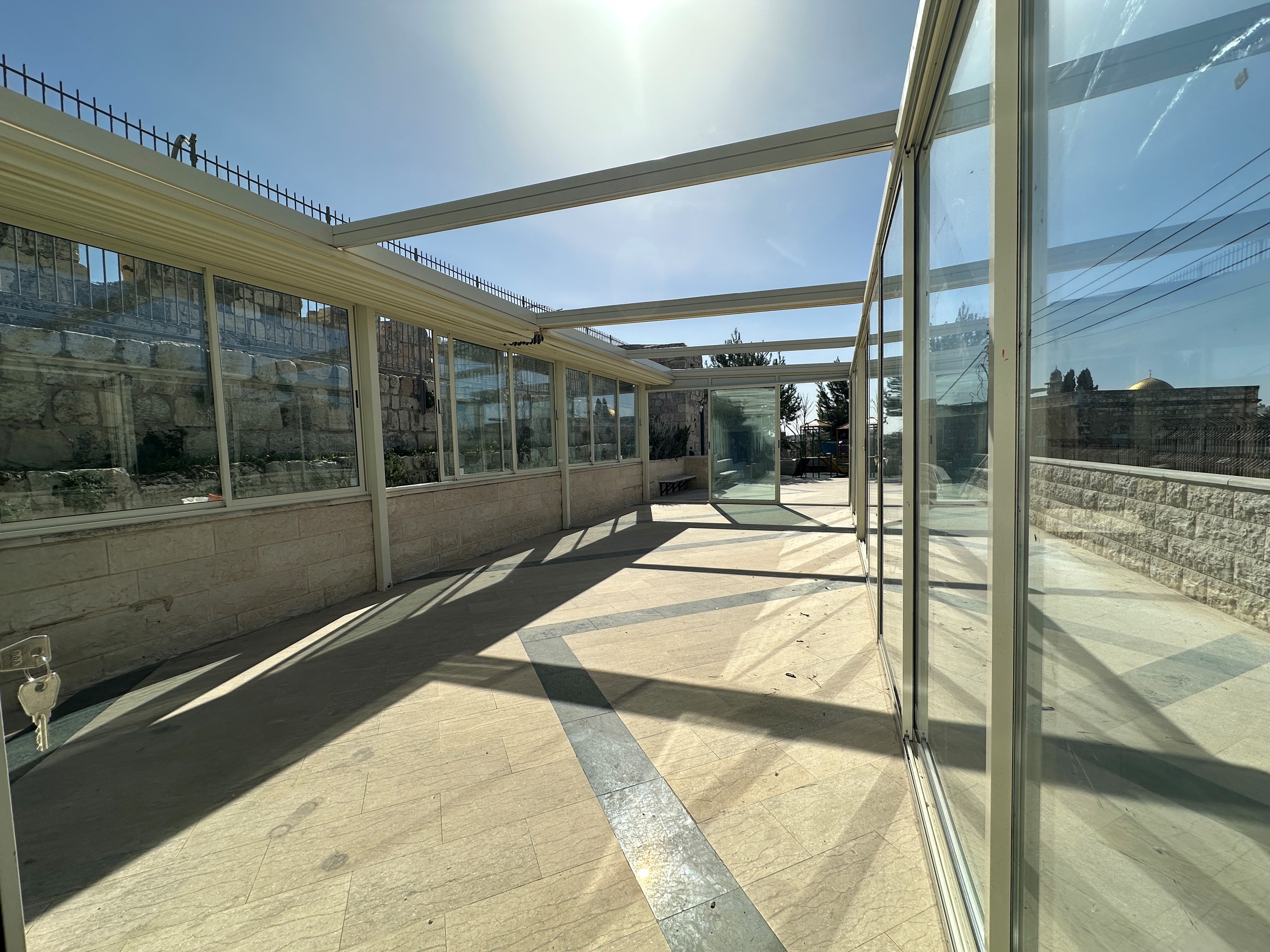
In addition, the second phase of the restoration of Qameem Square at Burj Al-Laqlaq has been completed. Works included maintenance of the public square, the installation of an external canopy, and enclosing the space with movable glass doors, allowing it to be used throughout the year. The project also included the installation of mobile bathrooms and an outdoor kitchen, enhancing the space’s role as a multi-purpose community facility serving local residents and institutions.
Within the same framework, restoration works at the Jeries Kawash House have also been completed. The works included structural and architectural interventions aimed at preserving the building and improving the living conditions within it, reflecting the human and social dimension of restoration programs alongside their architectural objectives.
These combined efforts demonstrate that the Old Cities Revitalization Program continues to implement its projects in the Old City of Jerusalem with determination, despite ongoing field and administrative challenges, reaffirming its commitment to protecting the urban heritage, improving residents’ living conditions, and strengthening the resilience of the historic city in the face of exceptional circumstances.